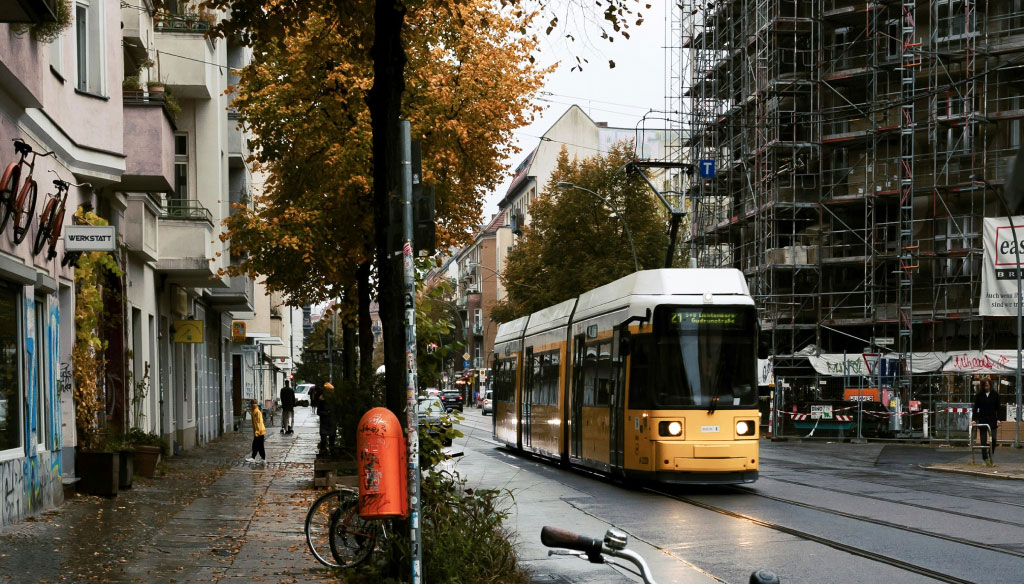
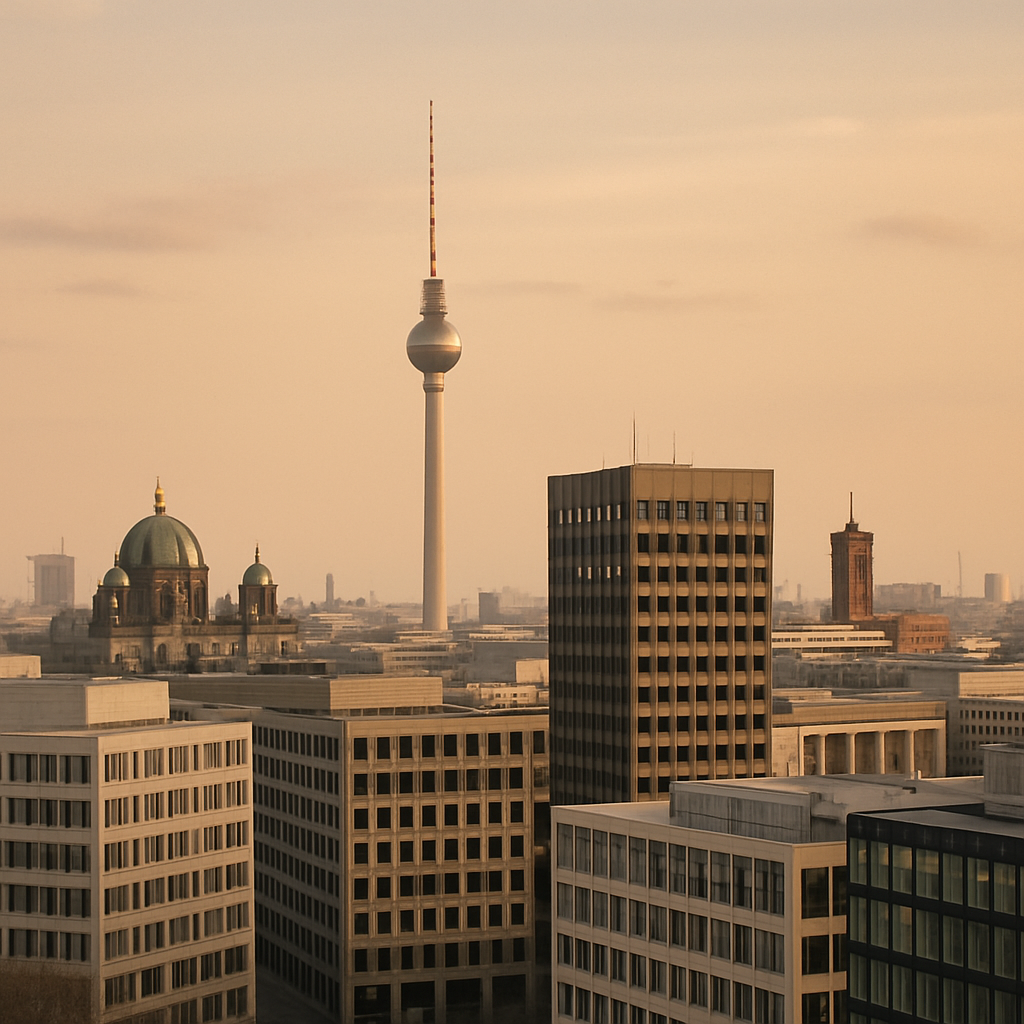
Berlin is not just a hotspot for startups and creatives, but also a laboratory for the future of work. The way we work is changing rapidly, and with it, the demands on our offices. This article looks into the future of the Berlin office market and examines the megatrends that will shape the office spaces of tomorrow: from artificial intelligence and the Internet of Things to sustainability and well-being, to the latest developments in New Work. Find out what companies need to consider when renting an office in Berlin to be prepared for the future.
The Transformation of the Berlin Office Market: More Than Just a Workplace
The traditional office is obsolete. In Berlin, a city that embodies change, the office is being redefined. It is evolving from a mere place of duty into a dynamic ecosystem that promotes collaboration, innovation, and corporate culture. The future of the office is flexible, intelligent, and human-centric.
Drivers of Change
Technological Progress: Artificial intelligence (AI), the Internet of Things (IoT), and advanced collaboration tools are enabling new, more efficient ways of working and changing the requirements for the IT infrastructure of office buildings.
Shift in Work Culture (New Work): Hybrid work models, the desire for more flexibility, and a stronger emphasis on work-life balance are shaping employees' expectations of their workplace.
Sustainability and Social Responsibility: Companies and employees are placing increasing value on environmentally friendly and socially responsible office buildings. Sustainability certifications such as LEED or DGNB are becoming an important decision-making criterion.
Urbanization and Mobility: The growing city and new mobility concepts are influencing the choice of location and the requirements for the accessibility of offices.
Megatrend 1: The Intelligent Office (Smart Office)
The future of the office is intelligent. Smart office technologies connect the building, the employees, and the work processes to increase efficiency, conserve resources, and improve the user experience.
Key Technologies in the Smart Office
Internet of Things (IoT): Sensors throughout the building collect data on occupancy, room climate, energy consumption, and more. This data is used to intelligently control the building technology and optimize space utilization.
Artificial Intelligence (AI): AI algorithms analyze the collected data to identify patterns and make predictions. For example, cleaning can be planned on an as-needed basis or energy consumption can be optimized proactively.
Workplace Apps: A central app on employees' smartphones becomes the interface to the smart office. The app can be used to book workstations, regulate room temperature, find colleagues, and access services such as ordering lunch.
Advantages of the Smart Office
- Increased Efficiency: Optimized space utilization, needs-based control of building technology, and automated processes reduce operating costs.
- Improved Employee Experience: Personalized settings, easy navigation in the building, and seamless digital processes increase satisfaction and productivity.
- Sustainability: Intelligent energy management reduces the building's carbon footprint.
Megatrend 2: Sustainability and Green Buildings
Sustainability is no longer a niche topic, but a central aspect of modern office property development. Green buildings are not only good for the environment, but also for the people who work in them and for business success.
Features of Green Buildings
Energy Efficiency: Highly insulated facades, modern heating, ventilation, and air conditioning (HVAC) technology, and the use of renewable energies (e.g., photovoltaics) minimize energy consumption.
Resource Conservation: The use of recycled and regional building materials, intelligent water management, and waste reduction are key elements.
Healthy Indoor Climate: The use of low-emission materials, high air quality, and good natural lighting promote the health and well-being of users.
Sustainability Certificates: Certificates such as DGNB (German Sustainable Building Council), LEED (Leadership in Energy and Environmental Design), or BREEAM (Building Research Establishment Environmental Assessment Method) make the sustainability of a building measurable and comparable.
Why Sustainability Pays Off
- Lower Operating Costs: Lower energy and water consumption lead to significant cost savings.
- Attractiveness for Talent: Younger generations in particular place great value on a sustainable employer.
- Better Corporate Image: A certified green building is a strong statement of a company's social and environmental responsibility.
- Future-Proofing: In view of rising energy costs and stricter legal requirements (ESG criteria), sustainable buildings are a safe investment.
Megatrend 3: New Work and the Employee-Centric Office
New Work puts people at the center. The office of the future is no longer just a functional space, but a living space that responds to the needs and wishes of the employees.
Design for Well-being and Creativity
Biophilic Design: The integration of plants, natural materials, and daylight creates a stress-reducing and inspiring atmosphere.
Activity-Based Working: Employees choose the appropriate work environment for their task – from the library for concentrated work to the creative project living room to the telephone booth for undisturbed conversations.
Health-Promoting Equipment: Ergonomic furniture, fitness rooms, quiet rooms, and healthy food options are a matter of course.
Flexibility as the Top Priority
Hybrid Work Models: The office must support the seamless collaboration of employees on-site and at home. Excellent technical equipment and flexible room concepts are the prerequisites for this.
Flexible Leases: Companies are looking for flexible leases that allow them to adapt their office space to fluctuating needs. Coworking spaces and serviced offices play an important role here.
Modular and Adaptable Spaces: The office itself must be changeable. Modular wall systems and mobile furniture make it possible to change the room layout quickly and easily.
What Does This Mean for Your Office Search in Berlin?
Companies renting an office in Berlin today need to think ahead. It's no longer just about location and price, but about creating a future-proof work environment.
Checklist for Your Future Office:
- Infrastructure: Does the building have a modern fiber optic connection and good mobile phone coverage?
- Flexibility: Does the floor plan allow for the implementation of various work concepts (e.g., Activity-Based Working)? Are the lease terms flexible?
- Sustainability: Is there a sustainability certificate? What is the energy consumption?
- Well-being: Is there sufficient daylight, green spaces nearby, and good air quality?
- Location and Accessibility: Is the office well connected to public transport and does it offer a good infrastructure (restaurants, shops, daycare centers) in the vicinity?
Setting.io: We Find Your Office for the Future
The search for a future-proof office in Berlin requires in-depth market knowledge and an understanding of the complex requirements of tomorrow. Setting.io is your partner on this journey.
Our Approach:
- Future-Oriented Consulting: We advise you not only on current offers, but also on the trends and developments that are relevant to your company.
- Holistic Analysis: We look not only at the space, but at the entire building and its surroundings in terms of technology, sustainability, and employee satisfaction.
- Access to the Best Properties: We know the most innovative construction projects and the most modern office spaces in Berlin, often before they are on the market.
Conclusion: Investing in the Future
The decision for a new office in Berlin is an investment in the future of your company. The megatrends of Smart Office, Sustainability, and New Work are not short-term fads, but fundamental changes that will permanently shape the world of work. Companies that take these trends into account when choosing their office location not only create an attractive and productive work environment for their employees, but also secure a decisive competitive advantage in the dynamic Berlin market. The future of work has already begun in Berlin – be ready for it.